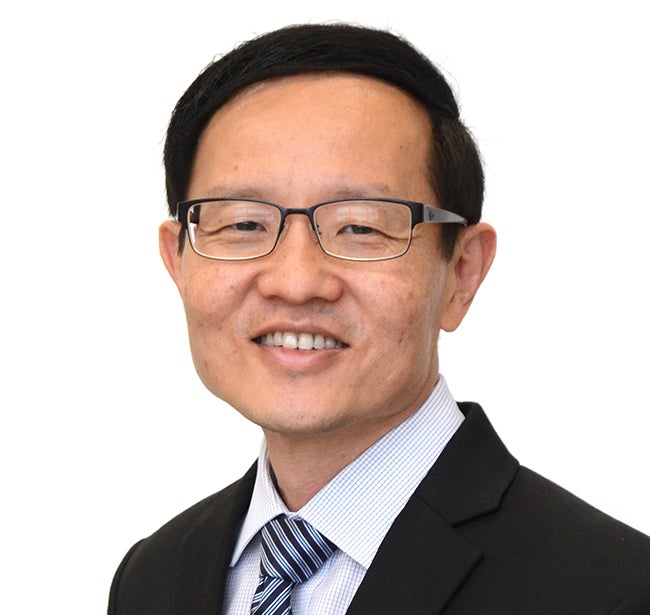
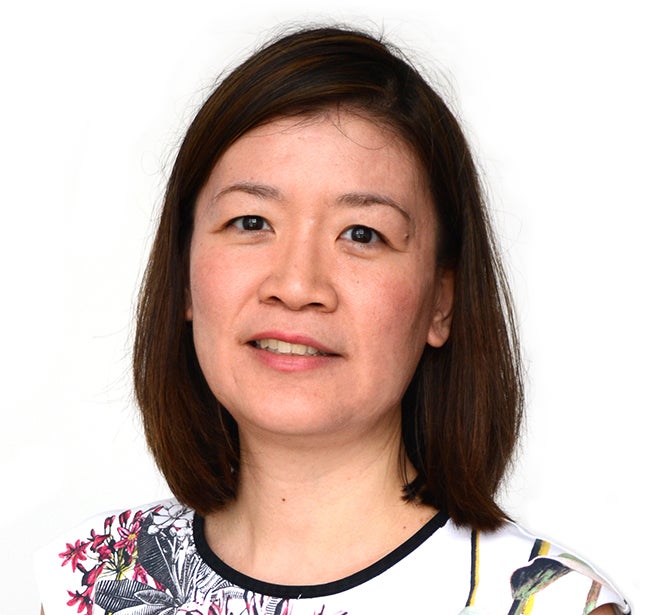
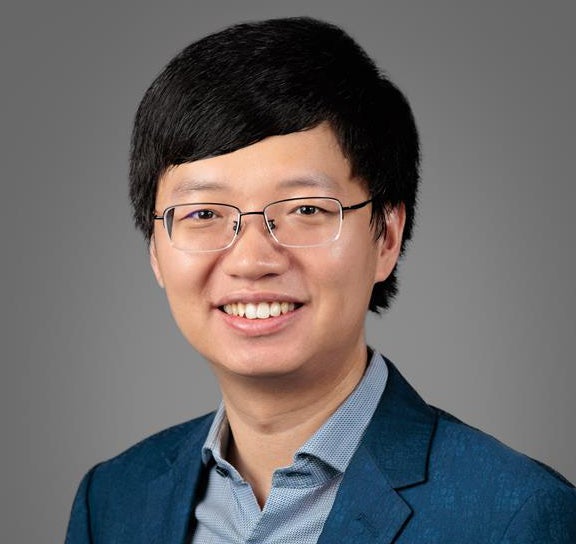
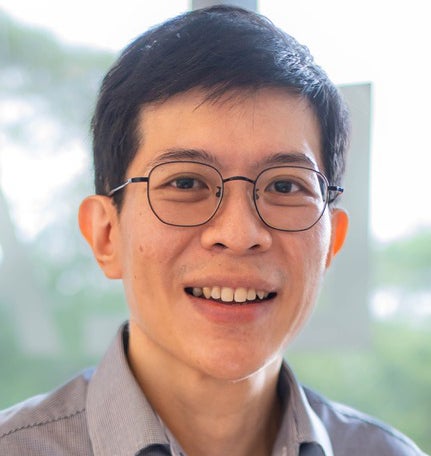
Director of iHealthtech
NUS Society (NUSS) Professor
Department of Biomedical Engineering, College of Design and Engineering (CDE), NUS ctlim@nus.edu.sg ctlimlab.org
The MechanoBioEngineering Laboratory aims to address important scientific and biomedical problems using interdisciplinary approaches, develop innovative solutions and translate them for biological and healthcare applications. Our research focuses on:
1) Human disease biomechanics & mechanobiology.
2) Microfluidic technologies for disease detection, diagnosis and therapy.
3) 2D materials for biomedical applications.
Clinical Director
MBBS, MMed, FRCS (Glas), FRCS (Edin), FRACS, FAMS (Cardiothoracic Surgery) The Abu Rauff Professor in Surgery, Yong Loo Lin School of Medicine, NUS Courtesy Professor in Engineering, College of Design & Engineering, NUS
Emeritus Consultant Department of Cardiac, Thoracic and Vascular Surgery
Professor, Department of Surgery, Yong Loo Lin School of Medicine, NUS surlcn@nus.edu.sg
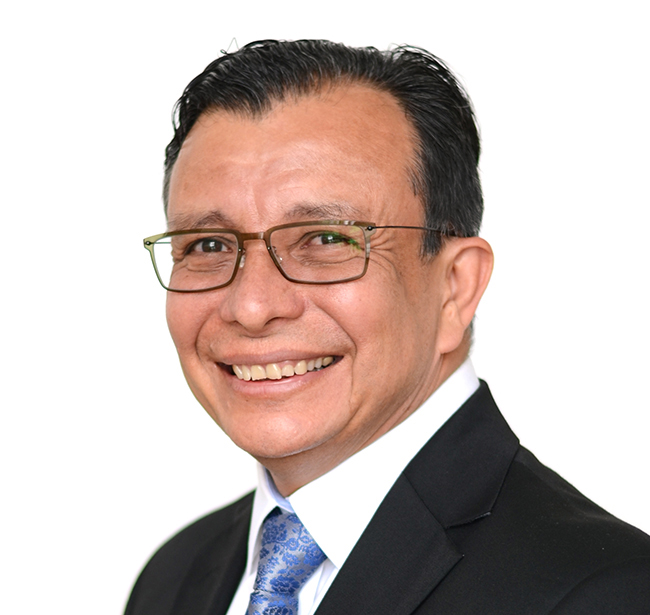
Professor LEE Chuen Neng is the founder of the Department of Cardiac, Thoracic & Vascular Surgery NUH, a Professor in Surgery and in Engineering at the National University of Singapore (NUS). He had held various appointments including President of the Cardiac Society on three occasions, President of the International Chinese Heart Health Network, Council member of the Asian Federation of Cardiology, Vice Chairman of the Singapore Heart Association. He was appointed as Head of Department of Surgery, Yong Loo Lin School of Medicine, NUS on 1 October 2005, and Chair of Surgery NUHS Surgical Cluster. Prof Lee was the Chairman of the Specialist Training Committee for Cardiothoracic Surgery, Ministry of Health and a Founding Executive Council Member of the Asian Society for Cardiovascular Surgery (ASCVTS) since 1993, becoming President of the ASCVTS 2009-2016. His special interest are coronary artery, exosomes, microbiome and promotion of multi-disciplinary collaboration in areas of Medical Technology. He chairs several start ups in Biotechnology and is on boards of an NGO for children with autism and a charity to encourage volunteerism for vulnerable communities in Singapore.
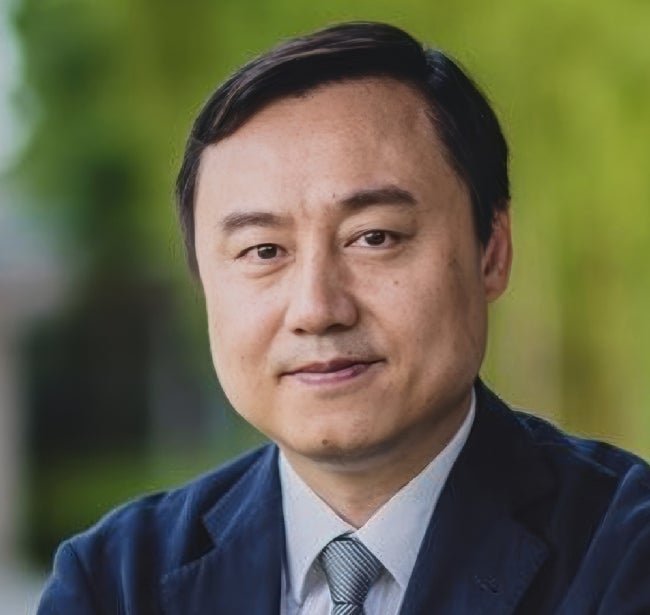
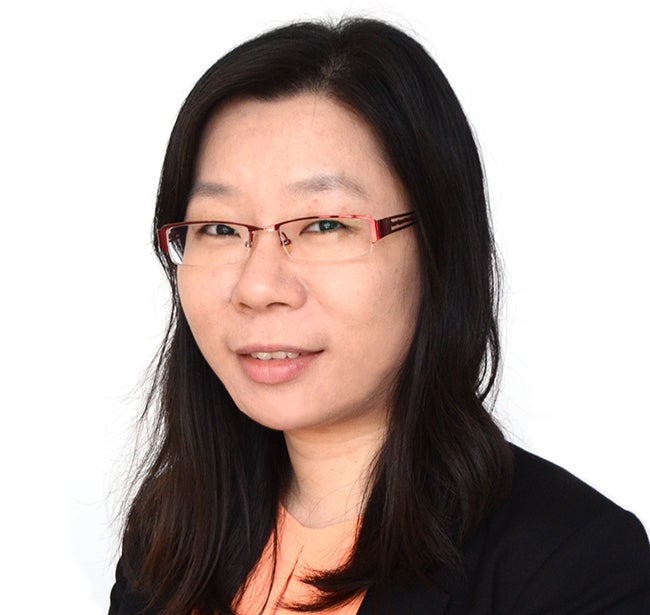
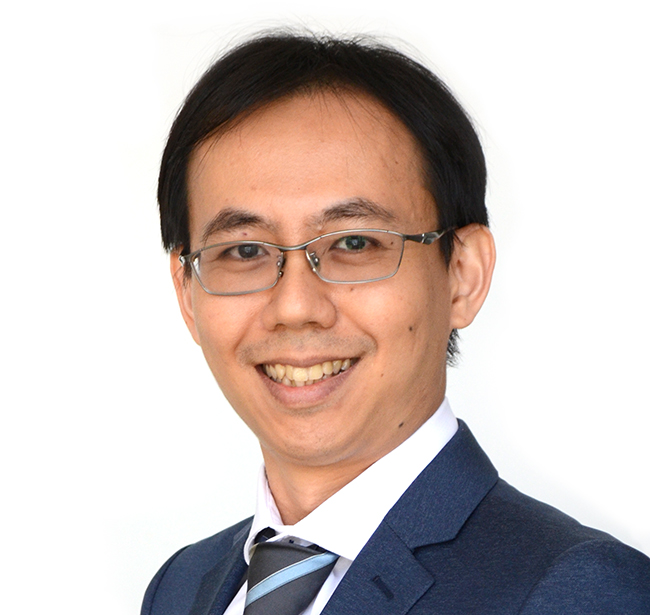
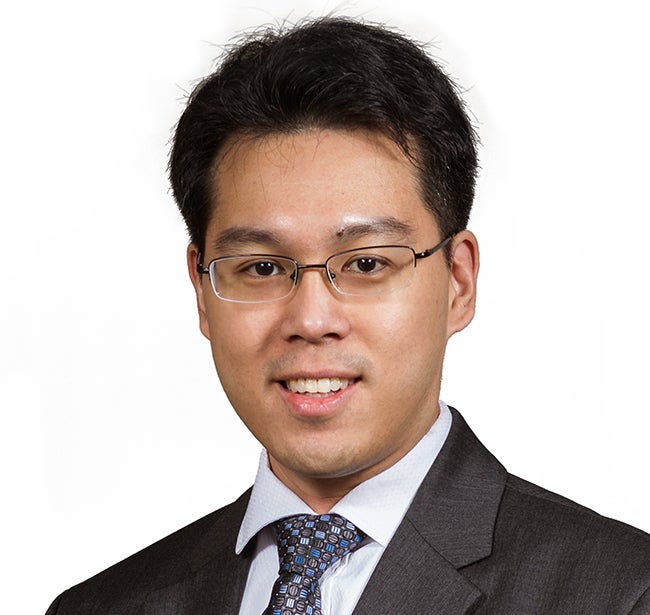
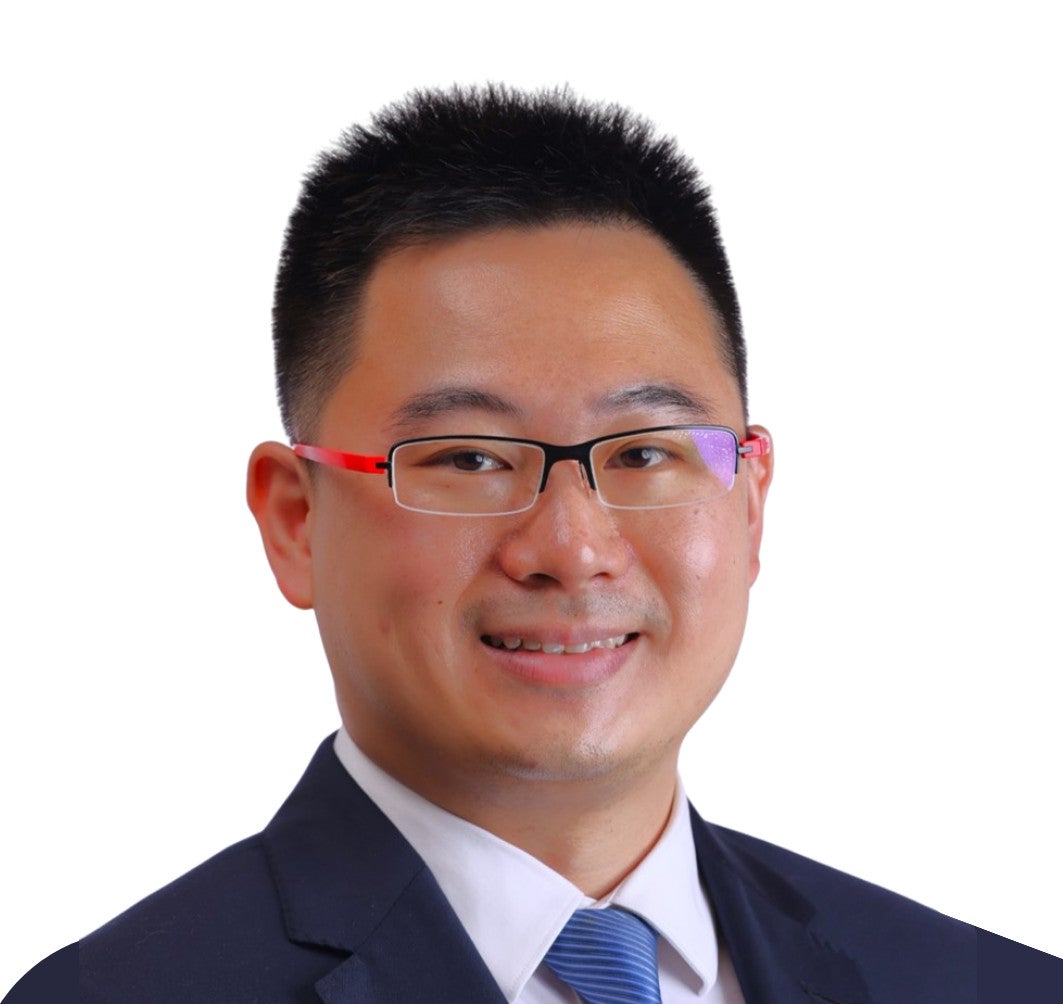
Dr Xiaogang Liu received his BEng from Beijing Technology and Business University, Beijing, China (1992-1996), his MSc in Chemistry from East Carolina University, Greenville, North Carolina, USA (1999), and his PhD from Northwestern University, Evanston, USA (2004). After spending two years as a postdoctoral researcher in the Department of Materials Science and Engineering at MIT, he joined NUS in 2006 and was promoted to Full Professor in 2017. Since 2018, Dr Liu is a distinguished Professor in the Department of Chemistry at NUS. Among his research interests are the study of energy transfer in lanthanide-doped nanomaterials, the application of optical nanomaterials for neuromodulation, the development of advanced X-ray imaging scintillators, and the prototyping of electronic tools for assistive technologies. Dr Liu’s work has been recognized with several national and international awards.
He is the recipient of the prestigious Royal Society of Chemistry’s Centenary Prize (2024), Chemical Society Reviews Emerging Investigator Lectureship Award (2012), the Taiwan National Science Council Lectureship Award (2012), the 41st International Conference on Coordination Chemistry Rising Stars Lectureship Award (Singapore 2014), President’s Science Award (Singapore 2016), and the NUS Outstanding Researcher Award (2017). He was a Chang Jiang Scholar at Northwestern Polytechnical University from 2018-2023. He is a member of Singapore National Academy of Science (SNAS). Dr Liu is an associate editor of Nanoscale, BMEMat, Journal of Luminescence, and has served on editorial boards of Journal of the Chinese Chemical Society, Journal of Physical Chemistry Letters,Chemistry–An Asian Journal, Science China Materials, Advanced Optical Materials, InfoMat, TheInnovation, Nanoscale Horizons, Small Methods, Next Technology, and Nano Letters.
The Advanced Bio-Sensotronics Lab focuses on developing soft, flexible and stretchable bio-electronic platforms suitable for next-generation high-performance sensory devices and systems. Specifically, we will first focus on creating novel biomechanical sensors to understand cellular systems at the single cell and tissue level. We aim to integrate fundamental knowledge between material science, mechanics, nano-electronics and biomedical engineering to develop cutting-edge artificial sensory devices and biotechnology systems inspired by natural biological systems.
BioIonic Currents Electromagnetic Pulsing Systems: The BICEPS laboratory bridges state of the art engineering with clinical medicine and has the mandate of designing cutting-edge technologies to enhance the function and improve the metabolic benefit of muscle and the body’s stem cell pools which, in turn, will benefit heart health, stimulate joint regeneration, enhance fat burning, improve brain function and slow mental aging in the ill, physically compromised and elderly. We have recently developed a novel set of non-invasive technologies to awaken the body’s regenerative drive with as little as 10 minutes treatment per week that will truly represent a paradigm shift in how modern medicine approaches preventative medicine and rehabilitation post surgery. These technologies also help the body fight common and dangerous cancers such as breast, colorectal, gastric and prostate. Some of our cutting-edge technologies are currently being tested in human clinical trials with very promising results. The BICEPS lab will lead the world in the design and use of such technologies in the global fight against the wraths of metabolic diseases and aging.
Our research focuses on creating innovative technologies to empower diagnostics and patient care. We aim to advance personalized medicine by taking a two-pronged approach: 1) discover novelcirculating biomarkers(e.g., extracellular vesicles / exosomes) for noninvasive monitoring, and 2) develop transformativebiosensing technologiesto enable and translate these discoveries. Our multidisciplinary interests and expertise span the fields of biology, nanomaterials science and device engineering, and have pioneered multiple platform technologies to expand the clinical reach of previously under-appreciated biomarkers in human trials.
The Technology Innovations for Systems Biology laboratory aims to develop tools to better understand biological systems and address healthcare issues. We develop technology platforms and novel biological techniques to perform precision measurements of multiple modalities (e.g. genetic, epigenetic, transcriptomics) in individual cells, as a basis for understanding human health and diagnosing, monitoring and treating diseases. We also invent innovative technologies for bio-sample preparation and disease diagnosis to meet the evolving healthcare needs of society.
The Ubicomp Lab focuses on developing sensor-based, context-aware, and user-centered technologies for monitoring and intervention of human activities for health and sustainability.
We apply our expertise in ubiquitous computing, human-computer interaction, Internet-of-Things, mobile computing, interpretable machine learning, and big data visualization, to develop a gamut of software toolkits, sensor platforms and mobile apps. These developments have been applied to mobile food logging, intelligible analytics and healthcare visualizations. We aim to impact consumers, service providers and decision makers through novel technology-driven interventions and new analytic tools for smartphones, smart homes and smart cities.
Associate Professor, Department of Medicine, Yong Loo Lin School of Medicine, NUS
Consultant, Division of Infectious Diseases, NUH
Visiting Consultant, Tuberculosis Control Unit (TBCU), Singapore
Honorary Clinical Research Fellow, Imperial College London United Kingdom Catherine.ong@nus.edu.sg medicine.nus.edu.sg//medi/catonglab/
Our lab focuses on 3 areas of translational infectious diseases research: Host-pathogen interactions, biomarker discovery and host-directed therapies. Under the theme of host-pathogen interactions, we investigate the effects ofMycobacterium tuberculosis (M.tb)on the secretion of human proteases from host cells which can cause tissue destruction and cell death. We analyse switch points by which potential therapeutic agents can be administered to suppress the detrimental effects of human proteases on TB-associated tissue destruction. In biomarker discovery, we evaluate highly promising biomarkers that can diagnose TB and other antimicrobial-resistant pathogens, with a view to developing rapid point-of-care tests. Under host-directed therapies, we investigate a variety of re-purposed drugs, as an adjunct therapy to TB treatment to improve patient treatment outcomes.
The lab, which comprises both BSL2 and BSL3 sections, is also part of the NUHS Tuberculosis Summit Research Programme, with active funding by the NMRC, Singapore Infectious Diseases Initiative and NUHS. We have close collaborations with the Singapore National TB Control Unit, Singapore Immunology Network (SIgN) in A*Star, Lee Kong Chian School of Medicine (Nanyang Technology University) and the NUS Saw Swee Hock School of Public Health. Internationally, our collaborators are based in Imperial College London and University of Southampton, UK.
Lab members:
Dr Miow Qing Hao, Eddy, PhD
Research Fellow eddy.miow@nus.edu.sg Research focus: TB host-directed therapy, cell-free DNA biomarker discovery.
Dr Hong Jia Mei, PhD Research Fellow hongjiamei@nus.edu.sg
Research focus: Rapid pathogen and antimicrobial resistant gene detection, murine model of CNS infections.
Ms Wang Yu, MSc
Research Associate mdcwyu@nus.edu.sg Research focus: Host proteases in lung infections, clinical research logistics.
Ms Thong Pei Min, BSc
Research Assistant peimin_thong@nus.edu.sg Research focus: Diabetes mellitus and the dysregulation of host proteases in tuberculosis.
Ms Poh Xuan Ying, MSc PhD Student xuanying.poh@nus.edu.sg Research focus: Host inflammatory responses driving immunopathology in central nervous system tuberculosis.
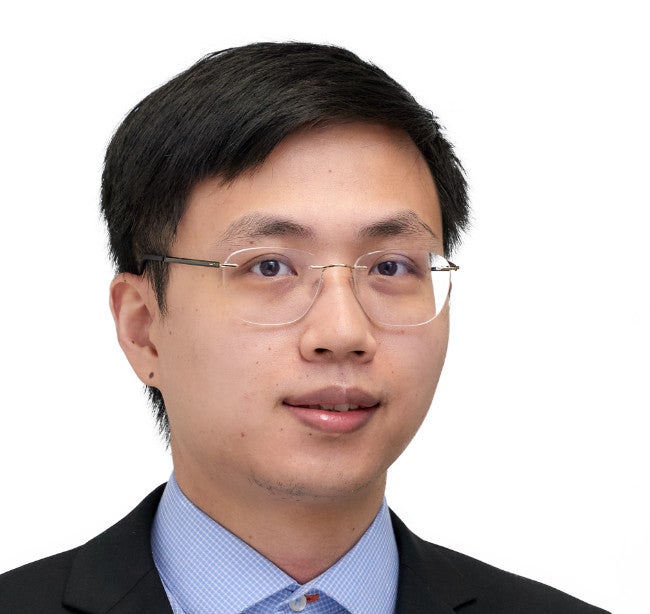
Dr Gao Yujia is a Consultant Surgeon in Liver, Pancreas, and Liver Transplant Surgery at the National University Hospital in Singapore. As the Assistant Group Chief Technology Officer for the National University Health System, Dr Gao is involved in the research and development of immersive technology and its application in clinical care and education, and digital-twin projects. He works extensively with Mixed Reality (MR) technology, utilising MR devices to deliver cutting edge capabilities to clinicians including 3D holographic imaging, real-time computer-vision based imaged analysis, and multisource data integration. He is also responsible for the integration and implementation of 5G wireless technology for hospital infrastructure development and building of secured high-speed integrated data networks. He also serves as the Vice-Chairman of the international Holomedicine Association.
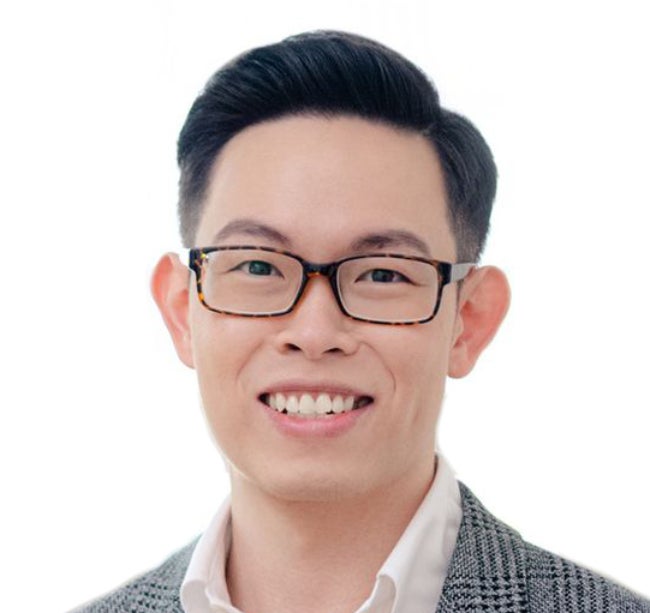
Our research group (MicrobioGI@iHealthtech) focuses on the gut microbiome’s role in gastrointestinal cancers. We focus on platforms and technologies to develop predictive microbial markers and targeted therapies in gastrointestinal cancers. We aim to engineer tools to allow clinicians to employ microbiome-based diagnostics to detect cancer early, aid in patients’ choice of therapeutics, and monitor the treatment response. Dr Jonathan Lee is the NUH site Principal Investigator of the Early Detection and Prevention of Colorectal Cancer research project. He is also a member of the Synthetic Biology and Immunology Translation Research Programmes. Dr Lee also currently chairs the NUHS-NUS microbiome work-in-progress meetings and leads the NUH’s faecal microbiota transplant program. Dr Lee was awarded the National Medical Research Training Fellowship in 2018, where he was attached to the Broad Institute MIT-Harvard, USA, to study host-microbiota interactions through integrative multi-omic analysis. He is currently a Fellow of the Academy of Medicine, Singapore, and a member of the American Gastroenterology Association.
The overarching goal of the lab is to develop next-generation vaccines and stem cell therapies for the treatment of cancer and other human diseases. We seek to identify and address current gaps in cancer vaccine development through novel platform technologies. Leveraging on the ability of stem cells to generate multiple cell-types, we aim to engineer and differentiate stem cells into cells capable of activating cytotoxic T-cells, the primary tumour-killing cells. In collaboration with our clinical partners, we hope to develop potent vaccines that will translate into effective cancer treatments.
The immune system plays an important role in cancer and chronic pain – two of the most prevalent diseases our ageing society is facing. The Tay lab is developing technology to engineer immune cells and tissue micro-environment to help understand and treat these two challenging diseases. The laboratory will be launched in early 2021.
Liu Lab focuses on developing tissue-mimicking brain-machine interface, medical wearable electronics, and precision electronic medicine. The lab uses next-generation polymeric electronic materials and micro and nanoelectronics capable of self-transforming its morphology in vivo and responding autonomously to promote rapid cellular and tissue growth. These materials can also provide high-bandwidth neural-machine communication at single-cell precision.
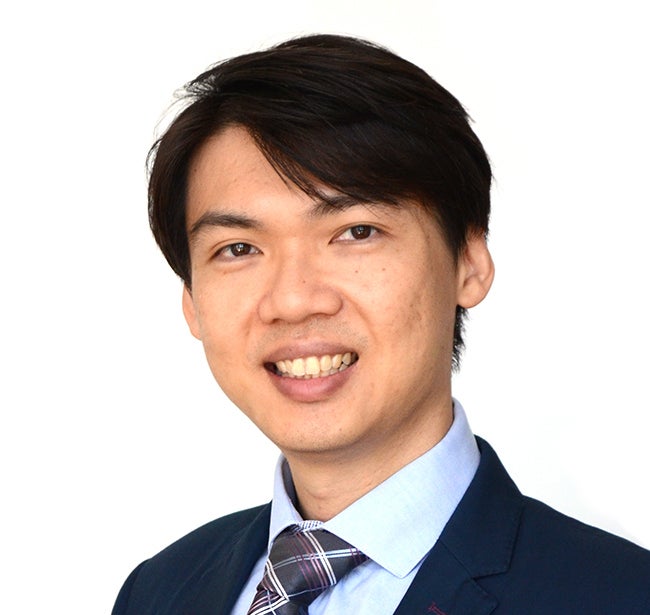
The Changsheng Wu Research Group aims at creating sustainable and disruptive digital health solutions, by synergizing bioelectronics, energy harvesting, and advanced manufacturing.
Department of Psychological Medicine, Yong Loo Lin School of Medicine, National University of Singapore
pcmhsh@nus.edu.sg
Dr Ho is an Assistant Professor (tenure-track) at the Department of Psychological Medicine, NUS Yong Loo Lin School of Medicine, and a Senior Consultant Psychiatrist at the National University Hospital. His clinical and research interests span the psychiatry–medicine interface, complex mood disorders, neuropsychiatry, public mental health, biomarker discovery, and portable neuroimaging using fNIRS and other sensor-based technologies. Dr Ho obtained his medical degree, MSc in Research, and PhD from NUS, and an MSc in Applied Neuroscience from King’s College London. He completed MOH HMDP neuropsychiatry fellowships at the Montreal Neurological Hospital and the Royal Melbourne Neuropsychiatry Unit. He is a Fellow of the Royal College of Psychiatrists, Royal College of Physicians of Edinburgh, American Psychiatric Association, and Academy of Medicine, Singapore.
Dr Ho has authored more than 390 peer-reviewed academic papers and co-authored six books with Cambridge University Press and Taylor & Francis. He was recognised by Clarivate Analytics as a Highly Cited Researcher in cross-field research from 2021 to 2023 and in neuroscience and behaviour in 2024. He also contributes to the academic community through editorial roles, including serving as Section Editor of the British Journal of Psychiatry.
Privacy Notice
This site uses cookies. By clicking accept or continuing to use this site, you agree to our use of cookies. For more details, please see our Privacy Policy.
This website uses cookies to improve your experience while you navigate through the website. Out of these, the cookies that are categorized as necessary are stored on your browser as they are essential for the working of basic functionalities of the website. We also use third-party cookies that help us analyze and understand how you use this website. These cookies will be stored in your browser only with your consent. You also have the option to opt-out of these cookies. But opting out of some of these cookies may affect your browsing experience.
Necessary cookies are absolutely essential for the website to function properly. These cookies ensure basic functionalities and security features of the website, anonymously.
Cookie
Duration
Description
cookielawinfo-checkbox-analytics
11 months
This cookie is set by GDPR Cookie Consent plugin. The cookie is used to store the user consent for the cookies in the category "Analytics".
cookielawinfo-checkbox-functional
11 months
The cookie is set by GDPR cookie consent to record the user consent for the cookies in the category "Functional".
cookielawinfo-checkbox-necessary
11 months
This cookie is set by GDPR Cookie Consent plugin. The cookies is used to store the user consent for the cookies in the category "Necessary".
cookielawinfo-checkbox-others
11 months
This cookie is set by GDPR Cookie Consent plugin. The cookie is used to store the user consent for the cookies in the category "Other.
cookielawinfo-checkbox-performance
11 months
This cookie is set by GDPR Cookie Consent plugin. The cookie is used to store the user consent for the cookies in the category "Performance".
viewed_cookie_policy
11 months
The cookie is set by the GDPR Cookie Consent plugin and is used to store whether or not user has consented to the use of cookies. It does not store any personal data.
Functional cookies help to perform certain functionalities like sharing the content of the website on social media platforms, collect feedbacks, and other third-party features.
Performance cookies are used to understand and analyze the key performance indexes of the website which helps in delivering a better user experience for the visitors.
Analytical cookies are used to understand how visitors interact with the website. These cookies help provide information on metrics the number of visitors, bounce rate, traffic source, etc.
Advertisement cookies are used to provide visitors with relevant ads and marketing campaigns. These cookies track visitors across websites and collect information to provide customized ads.